
The Importance of Good Branding: Why Your Business Needs More Than a Logo
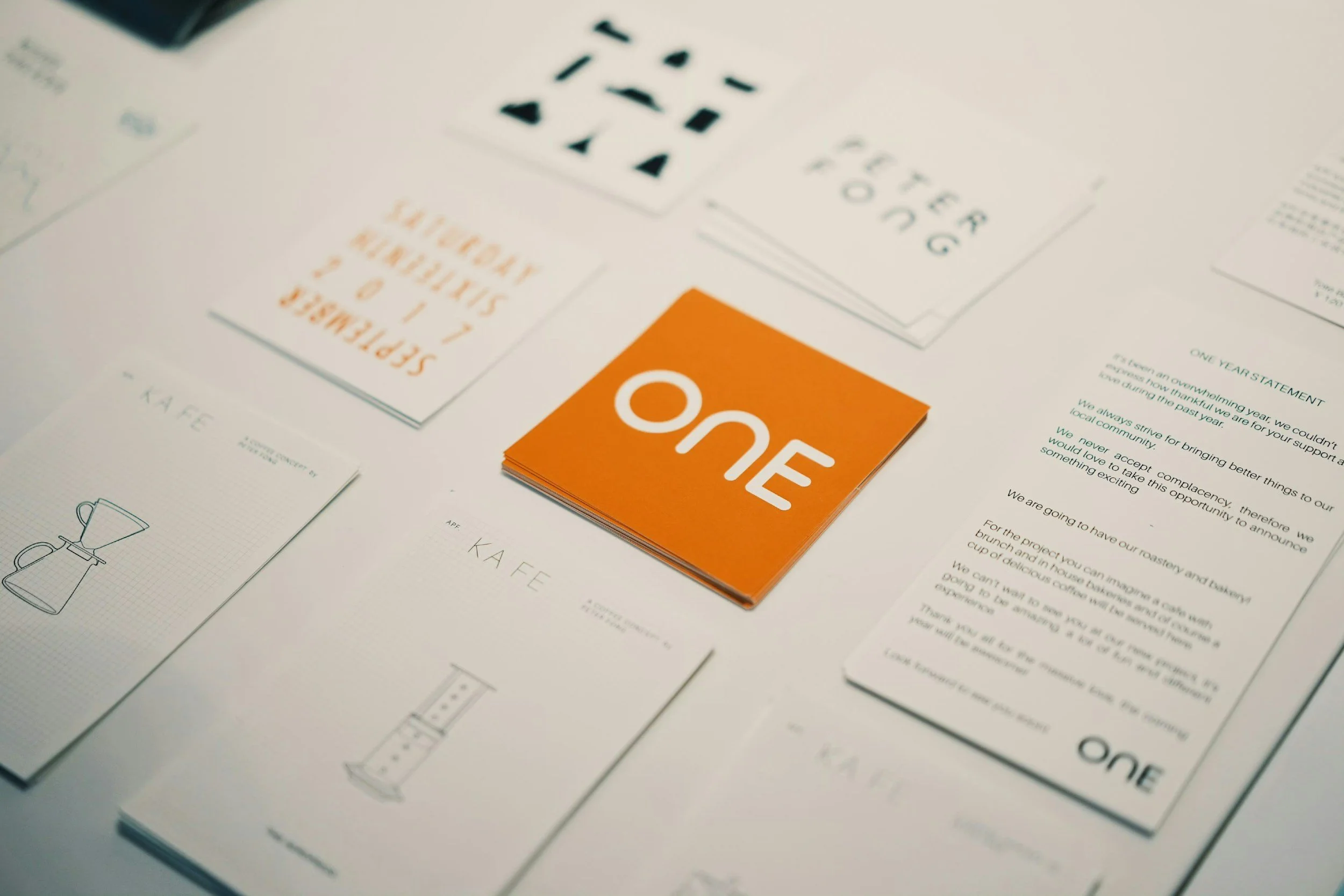
Good branding helps people recognise your business, understand what makes it different and feel confident choosing you. Discover why investing in your brand is one of the most important steps you can take to grow your business.
What is branding, and why does it matter?
Branding is often mistaken for a logo, a colour palette or a particular style of website. While these are important elements, a strong brand goes much further.
Your brand is how people perceive your business. It encompasses your identity, values, personality, messaging and the experience you provide to customers. It influences how people feel when they encounter your business, whether they discover you through your website, social media, a recommendation or a conversation.
Good branding brings these elements together to create a consistent and recognisable identity. It gives people a clear understanding of who you are, what you offer and why they should choose you over someone else.
For businesses looking to grow, branding is not simply about looking professional. It is about building recognition, trust and a lasting connection with the people you want to reach.
1. First impressions count
Before a potential customer speaks to you, visits your premises or makes an enquiry, they may already have formed an opinion about your business.
Your website, logo, imagery, colours and written content all contribute to that first impression. If these elements feel considered and consistent, they help communicate professionalism and credibility. If they feel disconnected, outdated or unclear, potential customers may question the quality of the business behind them.
This does not mean every business needs an elaborate visual identity. Effective branding should reflect the character of the organisation, its audience and the market in which it operates.
A premium hospitality business, for example, will need a different visual approach from a technology company or an independent retailer. The important thing is that the brand feels appropriate, authentic and purposeful.
2. Stand out from your competitors
Most industries are competitive. Customers often have several businesses to choose from, and the differences between their products or services are not always immediately obvious.
A well-defined brand helps communicate what makes your business distinctive. This could be your expertise, your approach to customer service, the quality of your products, your heritage or the way you solve a particular problem.
Without a clear identity, businesses can easily blend into the background. Their messaging becomes generic, their visual presentation looks similar to competitors and customers have little reason to remember them.
Strong branding gives your business a recognisable personality. It helps you communicate your strengths clearly and gives customers a reason to remember you.
The aim is not simply to look different. It is to make sure your business is understood for the right reasons.
3. Build trust and credibility
Trust is an important part of any purchasing decision. Customers want to feel confident that a business understands their needs and can deliver what it promises.
Consistent branding helps establish that confidence. When your website, marketing materials, communications and customer experience all feel connected, your business appears more considered and reliable.
This is particularly important for smaller businesses, new companies and organisations entering competitive markets. A professional brand can help establish credibility before a customer has any direct experience of working with you.
However, branding must be supported by the quality of the service itself. A strong visual identity may encourage someone to make an enquiry, but the experience that follows determines whether that confidence is maintained.
The most effective brands bring together what a business says about itself and what customers actually experience.
4. Create consistency across your business
Your brand should be recognisable wherever customers encounter it.
From your website and social media to proposals, email communications, packaging and printed materials, each interaction should feel like part of the same business.
Consistency does not mean every piece of communication must look identical. It means using a clear set of visual and verbal guidelines so that everything feels connected.
A brand identity typically includes:
Logo and visual identity: The core elements that make your business recognisable.
Colour palette and typography: The colours and fonts that establish a consistent visual style.
Imagery and graphic style: Photography, illustration and supporting visual elements.
Tone of voice: The language and personality used to communicate with customers.
Brand guidelines: Practical guidance that helps maintain consistency as the business grows.
These elements give your team a shared foundation for communicating with customers and producing marketing materials. They also make it easier to work with designers, developers and other partners as your business develops.
5. Support your marketing and website
Your brand and your website should work together.
A website is often one of the most important places for customers to experience your brand. It gives you the opportunity to explain what you do, demonstrate your expertise, showcase your work and encourage visitors to take the next step.
Without a clear brand, even a well-built website can struggle to communicate a convincing message. Equally, a strong brand can lose its impact if it is presented through a confusing or poorly designed website.
When branding and website design are developed together, the result is a more coherent experience. The visual identity, messaging, structure and content all support the same objectives.
A clear brand can also make marketing more effective. Instead of reinventing your message every time you create a campaign, you have an established identity and a consistent way of communicating your value.
Good branding will not guarantee more sales or better search rankings on its own, but it can help make your business more memorable and your marketing more focused.
6. Attract the right customers
Effective branding is not about appealing to everyone. It is about connecting with the people who are most likely to value what your business offers.
Your positioning, language, imagery and overall presentation all influence the expectations customers form about your business.
For example, a business specialising in bespoke, high-quality services should communicate the level of care, expertise and attention to detail customers can expect. A business focused on accessibility and affordability may need to place greater emphasis on clarity, value and approachability.
When your brand accurately reflects your offering, it becomes easier for potential customers to understand whether your business is right for them.
This can help attract more relevant enquiries and establish clearer expectations from the outset.
7. Keep your brand relevant as your business grows
A brand that worked well when your business first launched may not fully represent it several years later.
Your services may have expanded, your audience may have changed or your business may have developed a stronger reputation in a particular area. If your branding has not evolved alongside these changes, it can begin to hold you back.
Refreshing your brand does not always mean starting again. Sometimes, small improvements to your messaging, typography, imagery or website are enough to bring everything up to date.
In other cases, a more substantial rebrand may be appropriate, particularly if your business is entering a new market or changing its positioning.
The key is to review your brand periodically and ensure it still reflects the business you are today, as well as the direction in which you want to go.
When should you invest in branding?
There is no single right time to develop or improve your brand. However, several situations suggest it may be worth reviewing your current approach:
You are launching a new business or service.
Your business has grown, but your brand has stayed the same.
Your website and marketing materials feel inconsistent.
Customers struggle to understand what makes you different.
You are targeting a new audience or entering a new market.
Your business no longer looks as professional as the service you provide.
You are investing in a new website and want a more cohesive identity.
A branding project should begin with a clear understanding of your business, audience, competitors and objectives. From there, the visual identity and messaging can be developed to support your wider commercial goals.
Final thoughts: Good branding is an investment in your business
Good branding gives your business clarity, consistency and a recognisable identity. It helps establish trust, communicate your strengths and create a more considered experience for customers.
It is not simply about having an attractive logo or following the latest design trends. It is about building an identity that reflects who you are, what you stand for and why people should choose you.
When supported by a well-designed website, clear messaging and a consistent customer experience, branding becomes a valuable foundation for your wider digital presence.
At Digital Touch, we believe good branding should be both thoughtful and practical. It should look right, communicate clearly and give your business the tools to grow with confidence.
Looking to develop your brand or improve your online presence?
Digital Touch offers branding, website design, development and digital advisory to help businesses create a stronger, more consistent presence online. Whether you are starting from scratch or refining an established identity, we can help you take the next step.
Explore our services or get in touch to discuss your business.